
The year 2026 represents a major course correction for Microsoft. After years of frustrating Windows users with confusing workflows, inconsistent UI decisions, unnecessary background processes, and excessive bloatware that could slow down even capable hardware, the company appears to be entering a new phase.
Microsoft has finally started addressing many of the small but persistent problems that have affected the Windows experience for years — from improving right-click behavior to making Windows Search faster and more reliable. Now, the company’s next major challenge is clear: making Windows 11 run smoothly on PCs with only 8GB of RAM.
That change could have a significant impact on entry-level and budget laptops, where affordability often matters more than having the latest AI-powered features. The reality is that Microsoft’s increasingly AI-focused vision for computing has placed additional pressure on hardware that was never designed to handle such demanding workloads.
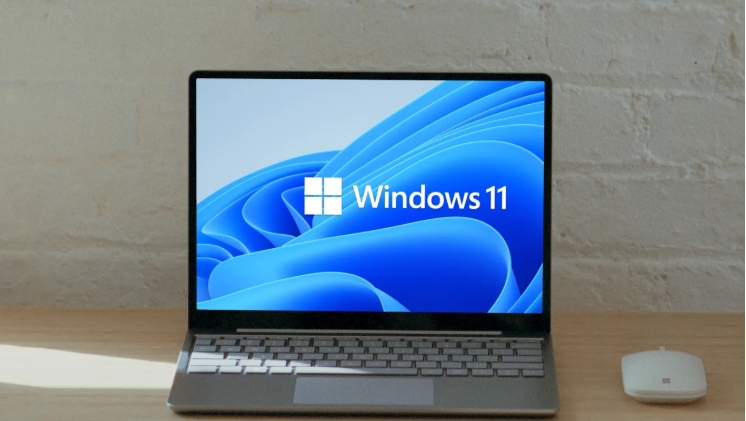
Windows Needs to Work Better on Affordable Hardware
Running a modern operating system smoothly on a desktop or laptop with just 8GB of RAM has become increasingly difficult. The situation is not unique to Windows either. Even Apple’s highly optimized macOS experience can struggle when newer AI-driven features are introduced.
Trying to run the latest AI-focused versions of macOS on older MacBooks with 8GB of memory — or even some newer machines with the same configuration — can lead to frustrating performance issues unless users disable certain background processes.
Microsoft appears to recognize this challenge.
Pavan Davuluri, Executive Vice President of the Windows and Devices division at Microsoft, recently highlighted memory optimization as one of the company’s upcoming priorities. He stated that Microsoft is focused on “reducing Windows memory footprint to deliver a fast and responsive Windows experience across the PCs customers use every day.”
The company is also working to improve the initial Windows setup process and address issues with parental controls, but memory optimization may be the most important improvement for everyday users.
The AI Revolution Is Making PCs More Expensive
The broader PC market is facing a difficult transition. The rise of AI-powered computing has increased demand for more powerful hardware, while also putting additional pressure on memory and storage costs.
RAM prices have climbed dramatically, and industry forecasts suggest that supply challenges could continue for years. Samsung, one of the world’s largest memory manufacturers, has warned that the situation may not significantly improve until 2028.
As hardware costs increase, laptop prices have followed the same trend. Even premium manufacturers such as Apple have adjusted pricing in response to rising component costs.
Analysts have also raised concerns about the future of affordable PCs. Gartner analyst Ranjit Atwal has suggested that the traditional sub-$500 entry-level PC segment could disappear by 2028. Gartner also predicts that memory costs could represent a much larger percentage of overall PC manufacturing costs compared with previous years.
For consumers looking for affordable laptops, this creates a serious problem: the machines they rely on most are becoming more expensive at exactly the moment when software demands are increasing.
Microsoft’s AI Ambitions Created a Hardware Challenge
The situation became more complicated as Microsoft pushed deeper into AI-powered computing.
Over the past few years, the company has integrated Copilot AI features throughout Windows and its ecosystem of applications. Microsoft also introduced a new hardware category, Copilot+ PCs, which requires specific capabilities, including a powerful NPU capable of more than 40 TOPS and at least 16GB of RAM.
However, the company quickly faced a practical limitation.
The higher cost of AI-ready hardware, combined with increasing laptop prices, made these devices less accessible for many consumers. Microsoft eventually introduced more affordable Surface models with only 8GB of RAM and without the full Copilot+ branding, acknowledging that advanced on-device AI features are simply difficult to deliver on limited hardware.
But Copilot is not the only reason budget Windows laptops struggle.
Windows has historically relied on numerous background services, pre-installed applications, and system processes that consume valuable memory. Compared with macOS, which has long benefited from tighter hardware and software integration, Windows machines with similar RAM configurations often feel less efficient.
From personal experience using both MacBooks and Windows laptops with comparable memory capacity, the difference in optimization is noticeable. Apple’s approach allows lower-memory systems to remain responsive, while many budget Windows laptops can quickly feel overwhelmed.
A Necessary Step for the Future of Windows
Microsoft’s decision to focus on reducing Windows’ memory footprint is a welcome move.
At a time when laptop prices are rising and AI features are demanding more powerful hardware, improving efficiency may be the best way to keep affordable PCs relevant.
Consumers do not necessarily need every AI feature running in the background. Many users simply want a laptop that starts quickly, responds instantly, and handles everyday tasks without unnecessary slowdowns.
Intel is also pursuing similar goals with projects aimed at improving the efficiency of future PC platforms. If Microsoft can successfully optimize Windows 11 for lower-end hardware, it could help extend the life of millions of affordable PCs.
The future of computing will undoubtedly include more AI. But before AI becomes the center of every device experience, operating systems still need to do one fundamental thing well:
They need to work reliably for everyone.
Microsoft’s latest efforts suggest the company finally understands that balance. Whether it can deliver meaningful improvements remains to be seen — but for users with affordable laptops, this change cannot come soon enough.