
Sony appears to have delivered the final blow to physical game discs on PlayStation.
Despite weeks of backlash from its community, the company has confirmed that it is moving forward with its controversial plan to end physical disc production for new PlayStation releases starting in January 2028.
During Sony’s latest earnings briefing, CFO Lin Tao addressed the criticism surrounding the decision, acknowledging that many players have strong emotional and practical reasons for supporting physical media. However, after what the company described as extensive internal evaluation, Sony has decided that the transition toward digital distribution is the future of PlayStation.
For collectors and preservation advocates, the message is clear: the era of physical PlayStation games is coming to an end.
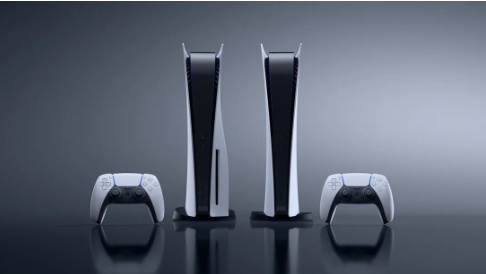
Sony Has Heard the Backlash — But It Is Not Changing Course
Sony first announced the upcoming change earlier this month. Games released before January 2028 will not be affected, and existing physical copies will continue to function.
However, all new PlayStation releases after that point will move toward a digital-first model, with games primarily distributed through the PlayStation Store and retail channels offering digital download codes rather than traditional discs.
The announcement immediately sparked criticism from longtime PlayStation fans.
According to Kotaku, physical game preservation organization DoesItPlay is planning a week-long PlayStation boycott in mid-August to protest the decision.
For many players, the issue is not simply about owning a physical object sitting on a shelf.
Physical games provide several advantages that digital purchases cannot fully replace:
- The ability to resell games
- Sharing copies with friends and family
- Access to cheaper second-hand markets
- Long-term preservation of gaming history
That final point has become one of the biggest concerns among critics.
As digital storefronts age, access to older games becomes increasingly uncertain. Sony previously announced that the PlayStation 3 and PlayStation Vita stores would stop accepting new purchases globally in July 2027, although previously purchased content will remain downloadable for the foreseeable future.
For preservation advocates, the concern is simple: if a game only exists digitally, what happens when the servers eventually disappear?
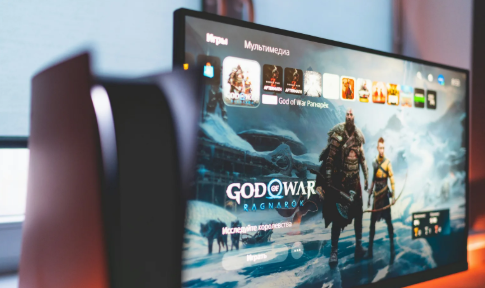
Physical Games Are Declining — But They Are Not Dead
Sony does have strong financial reasons behind its decision.
Digital game sales have become the dominant form of PlayStation software distribution. During the quarter ending June 30, approximately 82% of full-game PS4 and PS5 purchases were digital downloads.
That is a massive shift compared with previous console generations.
However, physical games still represent roughly 18% of purchases. For a platform with around 125 million monthly active users, that percentage still represents a significant number of players.
Sony’s move also comes at an interesting time.
The company’s digital sales ratio was around 83% during the same period last year, meaning digital’s share actually declined slightly year over year.
While the overall trend toward digital gaming remains undeniable, the physical market has not completely disappeared.
The Future of PlayStation Retail Could Look Very Different
Sony has suggested that retailers will remain part of its distribution strategy, but the product on store shelves may eventually change.
Instead of traditional game discs, stores could sell boxes containing digital download codes.
For Sony, this approach offers several advantages:
- Lower manufacturing costs
- Faster global distribution
- No physical inventory limitations
- Greater control over digital sales
However, it also changes the relationship between players and their games.
A physical copy has traditionally represented ownership. A digital license represents access.
That distinction is at the heart of the controversy.
Sony Believes PlayStation’s Identity Is Bigger Than Disc Drives
Lin Tao also argued that a disc drive is not the defining factor separating PlayStation from gaming PCs.
Instead, Sony believes the platform’s strengths come from:
- Affordable hardware
- Curated gaming experiences
- A stable and controlled ecosystem
From Sony’s perspective, the future of gaming is not about the format games are delivered on, but the ecosystem surrounding them.
For many players, however, physical media represents something more important: control and permanence.
The transition to digital gaming has been happening for years, and Sony is not the first company to move in this direction. But by setting a firm timeline for ending physical releases, PlayStation is taking one of the biggest steps yet toward a fully digital future.
For fans hoping that enough criticism could reverse the decision, Sony’s response leaves very little room for optimism.
The question is no longer whether physical PlayStation games will disappear.
The question is how quickly players will be asked to accept a future without them.